
The Future of Trucking is Here: How New Technologies are Changing the Logistics Game
At least 14.89 million trucks hauled 11.27 billion tons of freight along 195.76 billion miles of US highways in 2024. That amounted to 72.7% of all the freight moved in the United States.
Trucking keeps shelves stocked, but this vital job presents a daily puzzle of weather, traffic, regulations, labor, customer demands and tight margins. Now, that puzzle is being reshaped by several exciting new technologies.
New technologies are changing how trucking and logistics professionals work
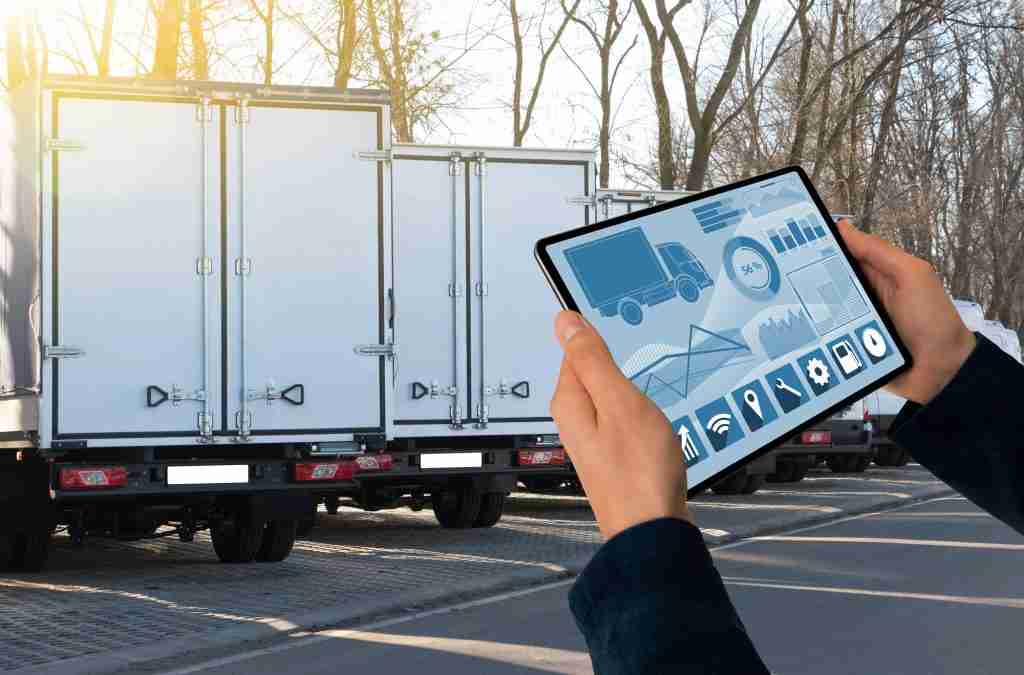
Experience and instinct guided trucking operations for decades, but today’s smart tech is making trucks more connected than ever. In addition to location, modern telematics systems track fuel usage and idling time. They also monitor braking patterns and tire pressure. Because they watch engine diagnostics, maintenance teams can spot issues early and schedule repairs when it’s least disruptive.
Adoption of these systems, which combine telecom and sensors to remotely monitor trucks, is now mainstream, with nearly 90% of fleets using them. Though only 26% of trucking fleets currently use the technology to track driver behavior and assign training to those who need it, that use case appears to yield promising results. Up to 78% of those who do use telematics in this way report fewer crashes, and 89% report enhanced safety.
Artificial intelligence is also impacting logistics. In the past, dispatchers sifted through dozens of variables in a spreadsheet to make the best plan. Today, AI-driven systems can surface the best options in seconds.
The use of AI is rising quickly, even from 2025 to 2026. Route optimization rose from 42.9% to 71.0%. Maintenance scheduling saw a similar rise from 33.3% to 64.5%. Interestingly, fuel type analysis went from no adoption to 61.3%.
Workflow apps are streamlining the paperwork that used to eat up hours. Mobile devices allow drivers to upload documents instantly and capture signatures digitally.
Because they now update statuses in real time, back-office teams can invoice faster and keep customers informed without chasing down documents days later. In fact, one manager notes that document capture technology and a document management system sped up their company’s billing process from an average of 7.8 days to 3.5 days.
The learning curves for experienced trucking and logistics experts
Being handed a new system that demands different habits can feel frustrating or even insulting for experienced drivers. However, some of this technology is gaining in popularity. For example, satisfaction with the telematics systems mentioned earlier grew from 28% in 2024 to 45% in 2026.
In terms of AI use, the logistics industry as a whole appears to be working through a learning curve related to data management issues. From last year to this year, data integration concerns jumped from 38.1% to 71.0% and inaccurate data issues rose from 23.8% to 64.5%. This may relate to the industry’s waning interest in agentic AI, with active users dropping to only 16.1%.
The learning curve hits in a few predictable ways. First, tech tends to change the rhythm of the day. Veteran drivers and dispatchers often have a flow and may be used to check-ins at certain milestones and paperwork handled at the end. Real-time systems expect real-time updates. That constant connectivity can feel like pressure until teams agree on clear expectations.
Too many platforms create fatigue. Many logistics professionals aren’t resisting technology in and of itself. They’re resisting the extra work that comes with ten new tools and 10 new logins. Adoption improves when companies integrate systems and simplify workflows.
How new technologies affect customers waiting for products
Every technological shift in trucking eventually shows up in the customer experience. And customers today aren’t just hoping their shipment arrives. They’re expecting visibility and proactive communication.
More transparency in the logistics industry means less guessing. Real-time tracking and automated updates give each customer the information they want.
Logistics companies can now offer incredible accuracy. Where they once said, “It’ll be there sometime tomorrow,” they can now provide a realistic ETA and notify customers if it changes. In addition to transparency and accuracy, the new technology also gives customers fewer delays and better reliability.
Problems will still happen. The difference now is response time. With better data, logistics teams can reroute or reschedule faster, and customers get answers instead of silence. The future of trucking will continue to give professionals tools that make operations more resilient, but it’s a moment that’s bigger than new apps and dashboards. It’s a shift in how logistics works.

Francis J. Walsh, III
Francis J Walsh III leads NRS Inc., a third-generation family business in transportation, logistics, supply chain, and storage, as Chairman and Chief Executive Officer. NRS provides integrated solutions that span the complete range of clients’ supply-chain requirements, built on a foundation of reliability and comprehensive service. Today, NRS operates a national network of distribution centers, terminals, trucks, and equipment that support many of America’s leading brands.